

The Relationship Between Machine Learning and Deep Learning
Machine Learning (ML) and Deep Learning (DL) are key components of artificial intelligence, often used interchangeably but distinct in their approaches and applications.
What is Machine Learning?
ML is a subset of AI that focuses on creating algorithms that learn from data to make predictions or decisions. Traditional ML methods, such as decision trees or support vector machines, require manual feature engineering and perform well with smaller datasets.
What is Deep Learning?
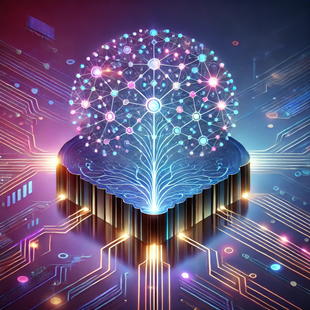
DL, a specialized branch of ML, uses artificial neural networks inspired by the human brain. These multi-layered networks automatically extract features from raw data, making DL ideal for tasks like image recognition, natural language processing, and speech analysis. However, DL models require vast amounts of data and computational power.
Key Differences
Feature Engineering: ML relies on manual feature selection, while DL automates this process. Data Needs: ML works well with less data, while DL thrives on big data. Applications: ML suits structured data (e.g., spreadsheets), while DL excels with unstructured data (e.g., images and audio).
Complementary Relationship
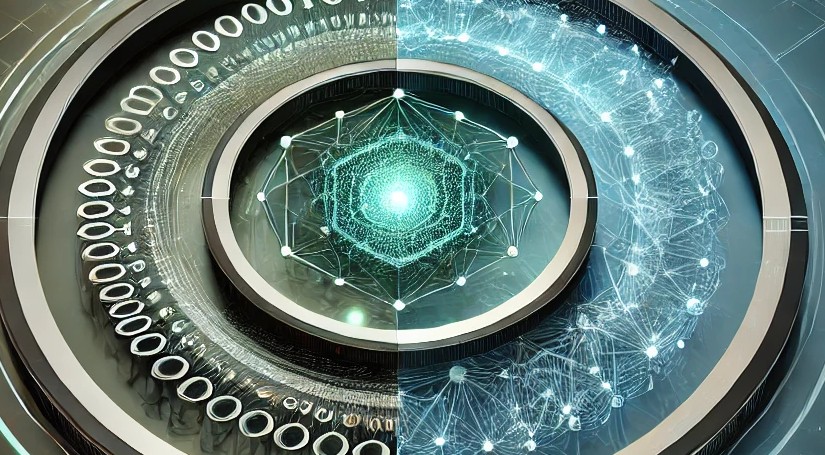
Deep Learning builds upon Machine Learning, extending its capabilities to handle more complex problems. Together, they drive innovations in fields like healthcare, autonomous systems, and personalized recommendations. Understanding their synergy allows us to leverage AI’s full potential across industries.
Ali Arslanhan
30 min agoAli is a data scientist working in the fields of data science and machine learning. Focused on analyzing data to extract meaningful insights, Ali aims to help learners by sharing experiences and knowledge in this field.